Football
World Cup
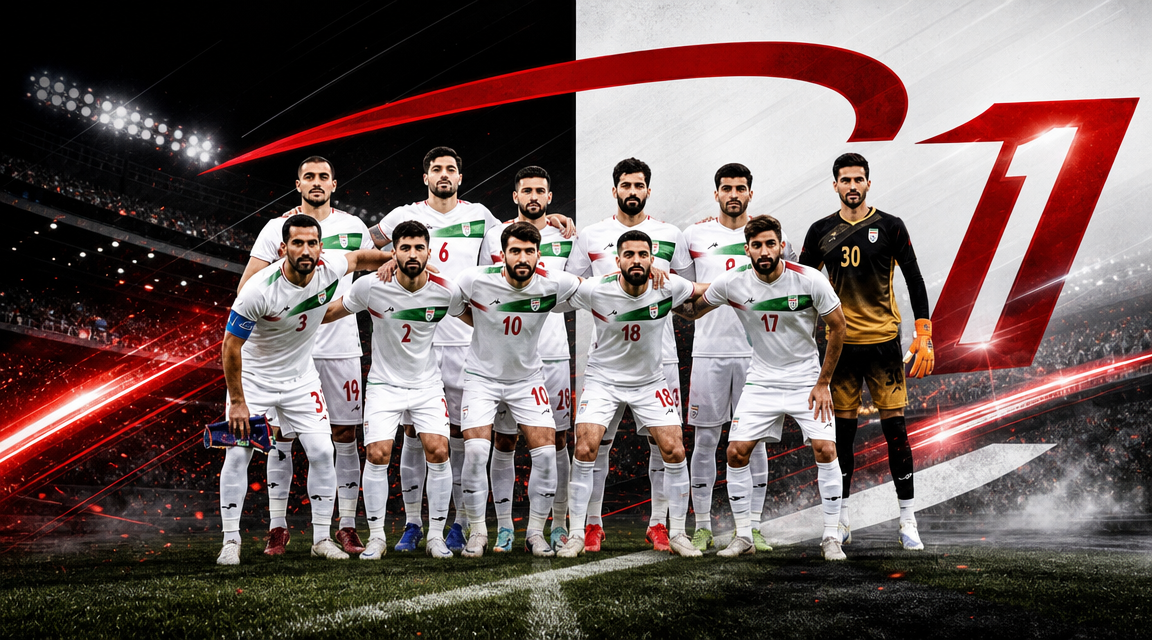
Mexico to Host Iran's National Football Team for 2026 FIFA World Cup.
✍️ TotalSports Desk
·
21h ago
·
438,430 views
Mexico to Host Iran's National Football Team for 2026 FIFA World Cup Background and Context In a surprising turn of events leading up to the 2026 FIFA World Cup, Mexico has confirmed that it will host Iran’s national football team during the tournament. This decision follows the United States’ refusal to allow Iran’s squad to stay on American soil, a move that has sparked significant political and sporting controversy. Decision by Mexico Mexican President Claudia Sheinbaum announced that Iran’s team will be based in Tijuana, Mexico, and will only travel into the United States for official matches. This decision came after FIFA approached Mexican authorities when Washington declined to accommodate the Iranian squad outside of match obligations. President Sheinbaum emphasized, “We have no reason to deny them the possibility of staying in Mexico.” The Impact on the Tournament FIFA has approved the relocation of Iran’s base camp to Tijuana, a city on the US-Mexico border. Despite this, Iran’s matches remain scheduled in the United States: June 15: Against New Zealand in Los Angeles June 21: Against Belgium in Los Angeles June 26: Against Egypt in Seattle This arrangement requires the Iranian team to cross the border multiple times, raising logistical, sporting, and security concerns. It is an unusual setup that has not been seen in previous World Cups. Geopolitical Tensions The controversy arises amid heightened tensions between Washington and Tehran, exacerbated by recent military and diplomatic conflicts in the Middle East. The US reportedly cited security concerns, visa complications, and potential protests as reasons for not allowing Iran to establish a base camp within its borders. Political and Security Concerns There are several underlying concerns: Visa Complications: Challenges related to obtaining visas amid strained diplomatic relations. Security Risks: Potential threats to players and staff due to the heightened geopolitical tensions. Political Backlash: Possible domestic political fallout within the United States. Sanctions and Diplomatic Restrictions: These could affect the team's ability to function smoothly within the US. FIFA's Role FIFA finds itself in a challenging position, as the organization has traditionally promoted the World Cup as an event that transcends politics. However, the situation with Iran highlights the complexities FIFA faces when geopolitical tensions intersect with sporting events. Extensive discussions between FIFA and Iranian officials led to the Tijuana arrangement, although there were initial suggestions of moving Iran's matches to Mexico if the security situation deteriorated further. Conclusion This development underscores the intricate relationship between sports and international politics. As the 2026 FIFA World Cup approaches, the focus remains on ensuring a successful tournament while navigating the diplomatic and security challenges that have emerged. The decision to host Iran in Mexico serves as a reminder of the broader geopolitical currents that can influence even the most globally unifying events.
Powered by TotalSports 1 × Sportsmonk API
Unlock all live streams, replays and exclusive content
Start 7-Day Free TrialNo credit card required. Cancel anytime.